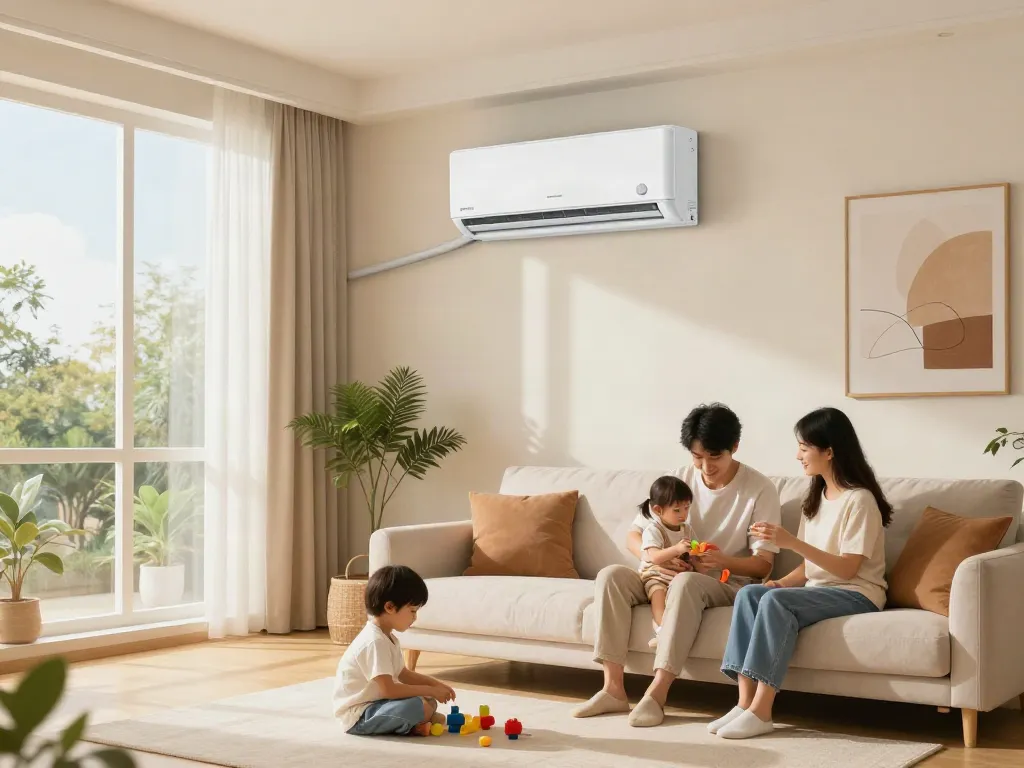
Understanding Mini Split Air Conditioners
A mini split air conditioner is an advanced HVAC solution that provides efficient heating and cooling for various spaces, including homes, offices, and commercial establishments. As the demand for energy-efficient and flexible temperature control systems grows, many homeowners are turning to mini split air conditioners for superior comfort and lower energy costs. When exploring options, mini split air conditioner models are among the most popular choices due to their versatility and ease of installation.
What is a Mini Split Air Conditioner?
Mini split air conditioners, also known as ductless mini split systems, consist of two main components: an outdoor unit and one or more indoor units. Unlike traditional air conditioning systems, which require ductwork to distribute cool or warm air, mini splits operate without ducts. This not only simplifies installation but also enhances energy efficiency by reducing energy loss that often occurs in ducted systems.
Each indoor unit can be controlled independently, allowing for customized temperature settings in different rooms or zones. This zoning capability makes mini splits particularly suitable for residential applications, where some rooms may require more cooling or heating than others.
How Mini Split Systems Work
Mini split systems employ a refrigeration cycle to transfer heat between the indoor and outdoor units. Here's how it works:
- The indoor unit absorbs heat from the room through an evaporator coil.
- A refrigerant circulates to the outdoor unit, where it releases the absorbed heat, cooling the indoor air.
- The cycle repeats, effectively cooling or heating the space as needed.
This type of system is not only efficient, but it is also capable of providing supplemental heating in colder climates by reversing the refrigeration cycle to extract heat from the outside air.
Advantages of Mini Split Air Conditioners
Choosing a mini split air conditioner offers several advantages, including:
- Energy Efficiency: Mini splits typically have high Seasonal Energy Efficiency Ratio (SEER) ratings, making them a cost-effective choice for heating and cooling.
- Flexible Installation: Without the need for ducts, mini splits can be installed in various locations, providing greater design flexibility.
- Noise Levels: Mini split systems operate quietly, with many models designed to minimize operational noise, which is ideal for bedrooms and living areas.
- Enhanced Indoor Air Quality: The absence of ductwork reduces the circulation of dust and allergens, contributing to a healthier indoor environment.
Choosing the Right Mini Split Air Conditioner for Your Space
When selecting a mini split air conditioner, it's critical to consider several factors to ensure optimal performance and efficiency.
Factors to Consider When Buying
Here are key factors to consider:
- Room Size: The capacity of the mini split system should match the size of the room for effective cooling and heating. Calculate the square footage to determine the appropriate BTU requirement.
- Climate: Consider the climate zone of your home. In colder areas, choose a model designed to provide sufficient heating during winter months.
- Energy Efficiency: Look for high SEER ratings to maximize energy savings over time.
- Number of Zones: If cooling multiple rooms, consider a multi-zone system with multiple indoor units connected to one outdoor unit.
Common Sizes and BTUs Explained
Mini split air conditioners are available in various sizes, with BTU ratings ranging from 9,000 to over 36,000 BTUs. Here's a rough guide to help you choose the right size:
- 9,000 BTU: Suitable for rooms up to 300 square feet.
- 12,000 BTU: Ideal for spaces between 300-600 square feet.
- 18,000 BTU: Recommended for areas between 600-1,000 square feet.
- 24,000 BTU: Best for larger spaces up to 1,200 square feet.
Energy Efficiency Ratings to Look For
Aside from BTU ratings, look for energy efficiency ratings such as SEER and HSPF (Heating Season Performance Factor) for heating capability. Systems with higher ratings (typically above 15 SEER) will not only provide better performance but will also lead to significant long-term savings on utility bills.
Installation Process for Mini Split Air Conditioners
The installation process for mini split air conditioners can vary based on the complexity of the system and your specific requirements.
Do-It-Yourself Installation vs. Professional Help
While some homeowners may opt for a DIY installation to save costs, it’s essential to assess your comfort level with electrical work and plumbing. Professional installation is recommended, especially for multi-zone systems, to ensure optimal performance and compliance with local building codes.
Step-by-Step Installation Guide
If you decide to proceed with a DIY installation, here’s a basic step-by-step guide:
- Select Locations: Determine the optimal spots for the indoor and outdoor units, ensuring proper airflow.
- Mount the Indoor Unit: Securely attach the indoor unit to the wall using brackets.
- Install the Outdoor Unit: Place the outdoor unit on a level surface, ideally on a concrete pad or platform.
- Connect the Lines: Run refrigerant and condensation lines between the indoor and outdoor units, ensuring they are insulated.
- Seal and Test: Seal any penetrations, test for leaks, and charge the system with refrigerant as necessary.
Common Installation Mistakes to Avoid
To prevent issues post-installation, avoid common mistakes such as:
- Incorrect sizing of the unit, which can lead to inefficiency.
- Poor placement of the indoor unit obstructing airflow.
- Improper sealing of connections leading to refrigerant leaks.
Maintaining Your Mini Split Air Conditioner
Proper maintenance is vital to prolonging the lifespan and efficiency of your mini split air conditioner.
Essential Maintenance Tips and Best Practices
To keep your system running smoothly, follow these maintenance tips:
- Regular Filter Cleaning: Clean or replace air filters monthly to maintain airflow and efficiency.
- Clear Outdoor Units: Ensure the outdoor unit is free of debris and dirt to facilitate proper heat exchange.
- Seasonal Inspections: Schedule annual inspections with a qualified HVAC technician for comprehensive maintenance.
Signs Your Mini Split Needs Repair
Be vigilant for signs that your mini split air conditioner may need repair:
- Inconsistent cooling or heating.
- Unusual sounds or smells coming from the unit.
- Increased energy bills without a change in usage.
Service Frequency Recommendations
It is advisable to schedule a professional service once a year, preferably before the peak cooling or heating seasons, to ensure optimal performance.
Future Trends in Mini Split Technology
As technology continues to evolve, mini split systems will likely see significant advancements that enhance efficiency and user experience.
Innovations Expected by 2026
Expect innovations such as:
- Advanced Smart Features: Integration with smart home systems allowing remote control and energy monitoring.
- Enhanced Energy Efficiency: Next-generation refrigerants and components that improve SEER ratings even further.
Sustainable Solutions and Eco-Friendly Options
As sustainability becomes increasingly important, expect to see more eco-friendly options, such as mini splits using environmentally friendly refrigerants that minimize global warming impacts.
Smart Home Integration and Automation
Integration with home automation systems will likely expand, allowing for seamless temperature adjustments and greater energy management capabilities, making it easier for homeowners to control their indoor environment effectively.
What is the lifespan of a mini split air conditioner?
Typically, mini split air conditioners last around 15 to 20 years with proper maintenance. Factors such as installation quality, usage patterns, and climate can influence this lifespan.
Are mini split air conditioners good for heating?
Yes, mini split systems can efficiently heat spaces, even in colder climates, providing a versatile solution for year-round comfort.
Can mini split systems be installed in multi-room setups?
Absolutely! Mini split systems are ideal for multi-room setups, allowing for customized temperatures in each space through multiple indoor units connected to a single outdoor unit.
How do I choose the right size mini split for my home?
Calculate the square footage of the rooms you wish to cool or heat, and consider the BTU requirements for that size, along with factors like insulation and local climate.
What are the benefits of ductless vs. ducted systems?
Ductless systems offer energy efficiency, flexible installation, better air quality, and lower installation costs. Conversely, ducted systems may provide a more uniform temperature distribution but involve higher energy loss and installation complexity.